How To Determine If You Have Skin Cancer - How Do You Know if You Have Skin Cancer? / Melanoma is the most dangerous type of skin cancer, but it's.
Dapatkan link
Facebook
X
Pinterest
Email
Aplikasi Lainnya
How To Determine If You Have Skin Cancer - How Do You Know if You Have Skin Cancer? / Melanoma is the most dangerous type of skin cancer, but it's.. There are three major types of skin cancer — basal cell carcinoma, squamous cell carcinoma and melanoma. In a biopsy, the doctor takes out a small piece of tissue to check it for cancer cells. Spot that has a jagged border, more than one color, and is growing. While all types of skin cancer may resemble benign skin lesions, there are some warning signs that will help you determine whether or not you should be concerned. It can look like a:
This pressure causes some of the signs and symptoms of cancer. A cancer can grow into,or begin to push on nearby organs, blood vessels, and nerves. Melanoma is a skin cancer that can show up on the skin in many ways. Evaluate each area of your skin, leaving no part unseen. A cancer may also cause symptoms like fever, extreme tiredness (fatigue), or weight loss.
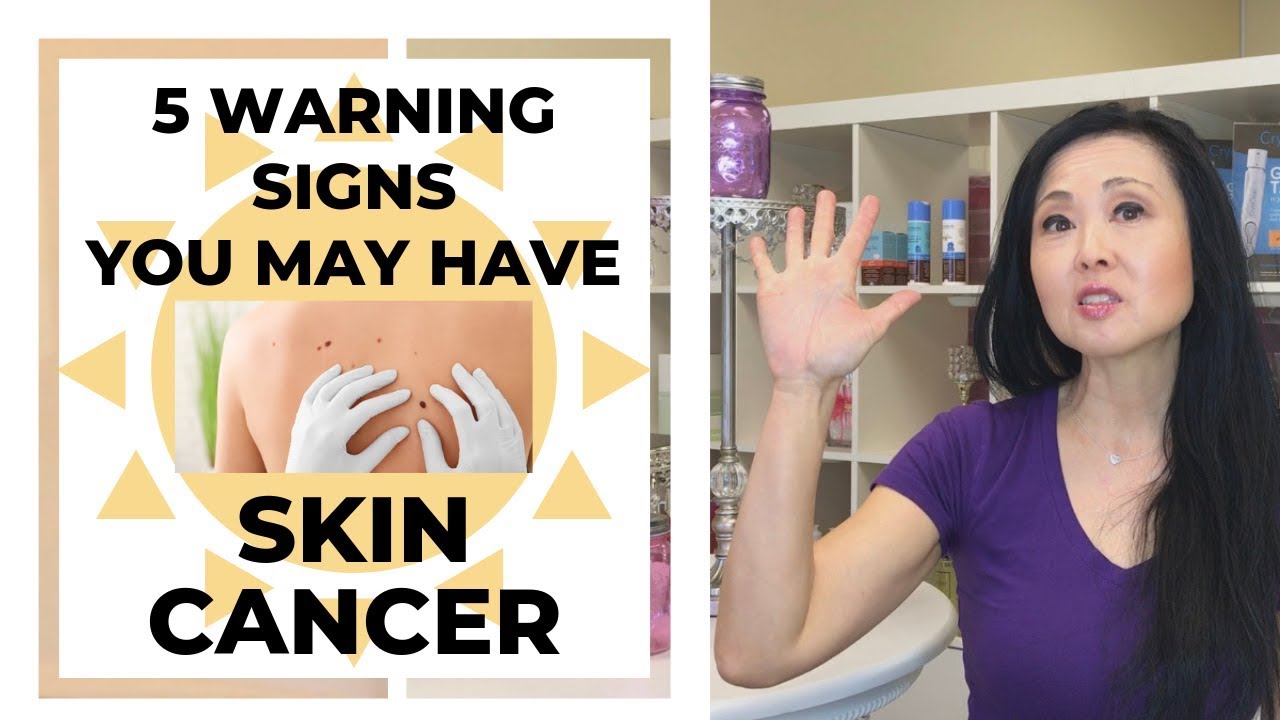
5 Warning Signs You May Have Skin Cancer - YouTube from i.ytimg.com It frequently develops on the legs of women and on the chest, back, head, and neck of men. When performing your skin survey, choose a particular day during the month and note it on the calendar. If your doctor determines you have skin cancer, you may have additional tests to determine the extent (stage) of the skin cancer. Regular examination of the skin for any new or unusual growths, or changes in the size, shape or color of an existing spot, is key to finding and treating skin cancers early. Any existing growths that change in size, shape, color, elevation or any other way. I tell my patients that if they have any area like that, to call the office and we can get them in right away. These doctors have the most training and experience in diagnosing skin cancer. Spot that has a jagged border, more than one color, and is growing.
Regular examination of the skin for any new or unusual growths, or changes in the size, shape or color of an existing spot, is key to finding and treating skin cancers early.
Your doctor will consider the specific type of skin cancer and the stage to determine the right treatment for you. Hall says to pay attention to anything that keeps coming back or doesn't heal, just as you would while examining your skin for signs of fully formed skin cancers. Any existing growths that change in size, shape, color, elevation or any other way. This may be because cancer cells use up much of the body's energy supply. While melanoma isn't the most common type of skin cancer, it's the most serious. When performing your skin survey, choose a particular day during the month and note it on the calendar. There are many types of skin biopsies. Any new growths, including moles. It frequently develops on the legs of women and on the chest, back, head, and neck of men. There are three major types of skin cancer — basal cell carcinoma, squamous cell carcinoma and melanoma. More than 60,000 people are diagnosed with melanoma every year, with nearly 9,000 deaths, according to skin cancer foundation data. Signs and symptoms of melanoma skin cancer unusual moles, sores, lumps, blemishes, markings, or changes in the way an area of the skin looks or feels may be a sign of melanoma or another type of skin cancer, or a warning that it might occur. Because superficial skin cancers such as basal cell carcinoma rarely spread, a biopsy that removes the entire growth often is the only test needed to determine the cancer stage.
You can reduce your risk of skin cancer by limiting or avoiding exposure to ultraviolet (uv) radiation. Any new growths, including moles. There are many types of skin biopsies. In a biopsy, the doctor takes out a small piece of tissue to check it for cancer cells. While all types of skin cancer may resemble benign skin lesions, there are some warning signs that will help you determine whether or not you should be concerned.
5 Warning Signs You May Have Skin Cancer - YouTube from i.ytimg.com Look for changes in your skin. Signs and symptoms of melanoma skin cancer unusual moles, sores, lumps, blemishes, markings, or changes in the way an area of the skin looks or feels may be a sign of melanoma or another type of skin cancer, or a warning that it might occur. These are the skin cells that produce melanin, a pigment responsible for skin color. When checking, you want to look at the spots on your skin. remember, melanoma can be cured if detected early, unlike many cancers. Wofford, the key is to pay attention and check your skin consistently. Unlike cancers that develop inside the body, skin cancers form on the outside and are usually visible. Regular examination of the skin for any new or unusual growths, or changes in the size, shape or color of an existing spot, is key to finding and treating skin cancers early.
You can find skin cancer on your body the best way to find skin cancer is to examine yourself.
If you find anything suspicious, you should discuss it with your primary care physician or a dermatologist. And you want to check everywhere — from your scalp (parting your hair to check your entire scalp) to the spaces between your toes and the bottoms of your feet. When performing your skin survey, choose a particular day during the month and note it on the calendar. Hall says to pay attention to anything that keeps coming back or doesn't heal, just as you would while examining your skin for signs of fully formed skin cancers. Experts disagree on what groups of people should get annual. Here's what to look for when identifying skin cancers, according to the skin cancer foundation: If your skin changes color, make an appointment with your primary care physician or dermatologist. Look for changes in your skin. Signs and symptoms of melanoma skin cancer unusual moles, sores, lumps, blemishes, markings, or changes in the way an area of the skin looks or feels may be a sign of melanoma or another type of skin cancer, or a warning that it might occur. Checking your skin for suspicious changes can help detect skin cancer at its earliest stages. In a biopsy, the doctor takes out a small piece of tissue to check it for cancer cells. A biopsy is a procedure in which the doctor removes a sample of tissue. Lesions that change, don't heal, bleed or itch.
A cancer can grow into,or begin to push on nearby organs, blood vessels, and nerves. Skin cancers can cause your skin to change color, making it darker, more yellow, or more red. Flat, firm, pale or yellow areas that look a lot like a scar raised reddish patches that might itch rough or scaly red patches, which might crust or bleed Ask your doctor what kind you will need. Checking for skin cancer symptoms.
How to Tell If You Have Breast Cancer howgetrid.net from i1.wp.com Hall says to pay attention to anything that keeps coming back or doesn't heal, just as you would while examining your skin for signs of fully formed skin cancers. Basal and squamous skin cancer may look like: Because superficial skin cancers such as basal cell carcinoma rarely spread, a biopsy that removes the entire growth often is the only test needed to determine the cancer stage. When performing your skin survey, choose a particular day during the month and note it on the calendar. Treatment can relieve symptoms, such as itching or tenderness. When you get rid of an ak, it cannot go on to become skin cancer. Any new growths, including moles. And you want to check everywhere — from your scalp (parting your hair to check your entire scalp) to the spaces between your toes and the bottoms of your feet.
That's why skin exams, both at home and with a dermatologist, are especially vital.
It's important to get to know your skin and what is normal for you, so that you notice any changes. There are three major types of skin cancer — basal cell carcinoma, squamous cell carcinoma and melanoma. Use the abcde rule to look for some of the common signs of melanoma, one of the deadliest forms of skin cancer: There's no way for your dermatologist to know which ones will progress to skin cancer. When performing your skin survey, choose a particular day during the month and note it on the calendar. Checking for skin cancer symptoms. If your doctor determines you have skin cancer, you may have additional tests to determine the extent (stage) of the skin cancer. In most cases, doctors need to do a biopsy to diagnose cancer. If your skin changes color, make an appointment with your primary care physician or dermatologist. Melanoma is the deadliest type of skin cancer. It frequently develops on the legs of women and on the chest, back, head, and neck of men. A pathologist looks at the tissue under a microscope and runs other tests to see if the tissue is cancer. If you find anything suspicious, you should discuss it with your primary care physician or a dermatologist.
Signs Of Bowel Cancer Australia : Bowel Cancer Overview Cancer Council Victoria : 2 if you have risk factors, like a family history of colon cancer, you should. . Many of the symptoms related to bowel cancer can also be caused by other illnesses, such as irritable bowel syndrome. Australia has a national bowel cancer screening program that provides free and easy bowel cancer tests for individuals aged over 50. The most common symptoms of bowel cancer are: By may 2018, my liver and lungs had a complete response, no sign of cancer cells. More than 90% of people with bowel cancer have 1 of the following combinations of symptoms: Learn about the common symptoms of bowel cancer and when to see your doctor. Bowel cancer is the second most common cancer in both men and women in australia. We called on the government to lower the bowel cancer screening age from 60 to. Another one of the early signs of bowel cancer is persistent abdominal pain. There are an average of 2 new c...
Cancer Council Nsw Woolloomooloo - ENRICH Survivorship - Cancer Council NSW / Cancer council new south wales 153 dowling street, woolloomooloo nsw 2011 cancer council helpline 13 11 20 telephone (02) 9334 1900 facsimile (02) 9334 1741 email email protected website www.cancercouncil.com.au abn 51 116 463 846 myeloma foundation of australia myeloma support. . View all our cancer council nsw vacancies now with new jobs added daily! Cancer council nsw, woolloomooloo, nsw, australia. After hours call lifeline 13 11 14. After hours call lifeline 13 11 14 | twuko. That's why we expect all researchers who apply for our funding to have consumers involved in their research. For more information cancer council's fundraising events, research, prevention and support services please visit www.cancercouncil.com.au or call the cancer council helpline on 13 11 20. We are the only charity to work across every area of. With your help, we're getting closer to a cancer free...
Card Making Videos / How To Make Easy Flowers And Fences Card Making Video Tutorial Series I Teach Stamping / Become a demonstrator, order a catalog and order stampin up products. . To add cards to a video, follow the steps below. Today i'm working with the fashion monger dahlia stamp and created this clean and simple card with just a stamp, a few inks and a blending tool! There are lots of video tutorials to spark your imagination, and show you how to create that masterpiece. A video card can make an ordinary greeting extraordinary. Add cards to a video. Sign in to youtube studio. Preston, england, united kingdom at hunkydory crafts, our promise is to continue designing and manufacturing papercrafts to the highest standard, helping you to make cards that will be truly cherished by the ones you love. There are lots of video tutorials to spark your imagination, and show you how to create that masterpiece. I'm a christian, wife, mom, sister, and friend, lookin...


Komentar
Posting Komentar