What Does Inflammatory Breast Cancer Look Like On A Mammogram - This is what Inflammatory Breast Cancer (IBC) looks like ... : Red or hot spots on the breast, sometimes covering the entire breast, can be an indicator of inflammatory breast cancer.
Dapatkan link
Facebook
X
Pinterest
Email
Aplikasi Lainnya
What Does Inflammatory Breast Cancer Look Like On A Mammogram - This is what Inflammatory Breast Cancer (IBC) looks like ... : Red or hot spots on the breast, sometimes covering the entire breast, can be an indicator of inflammatory breast cancer.. Rarely, a rash and soreness can be signs. Tumors may be benign or cancerous. What does breast cancer look like on a mammogram? Inflammatory breast cancer affects breast tissue and can appear unusually dimpled or thick. More specifically, inflammatory changes such as extensive skin and trabecular thickening/coarsening, and/or diffusely increased breast density are important clues that should lead the radiologist to suggest the diagnosis.
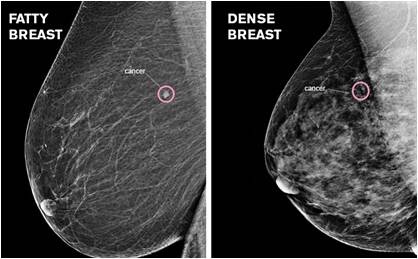
Inflammatory breast cancer (ibc) is a rare and aggressive form of breast cancer that often appears as a rash or an irritated area of skin. Inflammatory breast cancer affects breast tissue and can appear unusually dimpled or thick. The skin looks like the skin of an orange, and may be discolored with painful and itchy breast. An abscess is an accumulation of pus in breast tissue, that develops as a defensive reaction, usually against infection, but also due to the presence of foreign objects. A tumor or lump will appear as a focused white area on the mammogram.
The 'Scope: Sweating Is The Pits from 3.bp.blogspot.com Inflammatory breast cancer pictures show a red and/or swollen breast that appears inflamed. This type of cancer also changes the appearance of your breasts. Most cases are invasive ductal carcinomas, which develop in the cells lining the milk ducts and spread throughout the breast. Symptoms of inflammatory breast cancer include swelling (edema) and redness (erythema) that affect a third or more of the breast. Inflammatory breast cancer is an an aggressive and fast growing breast cancer in which cancer cells infiltrate the skin and lymph vessels of the breast. A tender area or rash on your breast often signals a common problem like an infection. Because inflammatory breast cancer does not look like typical breast cancer it is never diagnosed in the early stages. Did not respond to antibiotic and was referred for biopsy.
In around 30% of inflammatory breast cancers cases there is no lump (or tumor).
Calcifications are calcium deposits within the breast tissue and they look like small white spots. Inflammatory breast cancer affects breast tissue and can appear unusually dimpled or thick. This skin thickening can also be detected on a mammogram. An abscess is an accumulation of pus in breast tissue, that develops as a defensive reaction, usually against infection, but also due to the presence of foreign objects. A mammogram can show breast changes such as calcifications, masses, or other symptoms that might be cancer. It's called inflammatory because that's how it looks. Inflammatory breast cancer is a rare type of breast cancer that develops rapidly, making the affected breast red, swollen and tender. Any area that does not look like normal tissue is a possible cause for concern. It blocks the lymph vessels in the skin of your breast. Unlike traditional forms of breast cancer, inflammatory breast cancers do not develop unusual lumps within the affected breast. Abnormalities such as cancerous tumors usually appear brighter because they are denser. This makes it harder to diagnose. Other symptoms of inflammatory breast cancer include:
More specifically, inflammatory changes such as extensive skin and trabecular thickening/coarsening, and/or diffusely increased breast density are important clues that should lead the radiologist to suggest the diagnosis. Inflammatory breast cancer, also known as carcinomatous mastitis, t4d, or pev 2 or 3, is the only real therapeutic emergency in breast oncology, given the high risk of metastasis, the reason for the most unfavourable prognosis of all breast cancers.it must consequently be diagnosed rapidly, and imaging examinations must in no case delay therapeutic management. The look of breast cancer on a mammogram. A tumor or lump will appear as a focused white area on the mammogram. You may notice dimpling or pitting, and the skin on your breast.
When a 'normal' mammogram result may not be 'normal' from vancouverislandnow.ca Mammographic and ultrasound features of inflammatory breast cancer the typical findings on screening for inflammatory breast cancers are thickening of the skin and connective tissues and an increase in breast density. This is a particularly aggressive cancer and i had chemo;bilateral mastectomy and radiotherapy ending at end of oct 09. Inflammatory breast cancer is a rare type of breast cancer that develops rapidly, making the affected breast red, swollen and tender. Other symptoms of inflammatory breast cancer include: The skin becomes very red or purplish in colour. But when the lymph vessels become blocked by the breast cancer cells, symptoms begin to appear. The look of breast cancer on a mammogram. He ordered a mammogram to put my mind at ease.
He ordered a mammogram to put my mind at ease.
Inflammatory breast cancer accounts for between 1% and 5% of breast cancers and women do not usually have a lump and it doesn't usually show up on a mammogram. The mammogram and all other tests came back normal. Other symptoms of inflammatory breast cancer include: This makes it harder to diagnose. Any area that does not look like normal tissue is a possible cause for concern. Inflammatory breast cancer (ibc) is a rare and aggressive form of breast cancer that often appears as a rash or an irritated area of skin. I have inflammatory breast cancer which was firstly diagnosed as mastitis in jan 09. This skin thickening can also be detected on a mammogram. What does breast cancer look like on a mammogram? A mammogram can show breast changes such as calcifications, masses, or other symptoms that might be cancer. Did not respond to antibiotic and was referred for biopsy. Mammographic findings include tumor mass and malignant microcalcifications. It blocks the lymph vessels in the skin of your breast.
It's called inflammatory because that's how it looks. Symptoms of inflammatory breast cancer include swelling (edema) and redness (erythema) that affect a third or more of the breast. Abnormalities such as cancerous tumors usually appear brighter because they are denser. By the time symptoms appear, it is already advanced. Cells also blocks the lymph vessels located in the skin of the breast.
to not really know how to check my breasts | Mumsnet from www.mumsnet.com An abscess is an accumulation of pus in breast tissue, that develops as a defensive reaction, usually against infection, but also due to the presence of foreign objects. Tumors may be benign or cancerous. Inflammatory breast cancer pictures and symptoms Other symptoms of inflammatory breast cancer include: A lump or tumor will show up as a focused white area on a mammogram. Roughly 20% of breast cancers are not seen on a screening mammogram, and this number may be higher for women who have very dense breasts. Inflammatory breast cancer occurs when cancer cells block the lymphatic vessels in skin covering the breast, causing the characteristic red, swollen appearance of the breast. In around 30% of inflammatory breast cancers cases there is no lump (or tumor).
Red or hot spots on the breast, sometimes covering the entire breast, can be an indicator of inflammatory breast cancer.
But when the lymph vessels become blocked by the breast cancer cells, symptoms begin to appear. The woman who has inflammatory breast cancer has breast cancer that's red and inflamed, with an angry look to the breast cancer, he says. Inflammatory breast cancer, also known as carcinomatous mastitis, t4d, or pev 2 or 3, is the only real therapeutic emergency in breast oncology, given the high risk of metastasis, the reason for the most unfavourable prognosis of all breast cancers.it must consequently be diagnosed rapidly, and imaging examinations must in no case delay therapeutic management. A tumor or lump will appear as a focused white area on the mammogram. Any area that does not look like normal tissue is a possible cause for concern. An abscess is an accumulation of pus in breast tissue, that develops as a defensive reaction, usually against infection, but also due to the presence of foreign objects. It does not show up on a mammogram and a breast lump is rarely present. Inflammatory breast cancer is an an aggressive and fast growing breast cancer in which cancer cells infiltrate the skin and lymph vessels of the breast. A rash isn't the only visual symptom of inflammatory breast cancer. Inflammatory breast cancer affects breast tissue and can appear unusually dimpled or thick. You may notice dimpling or pitting, and the skin on your breast. In around 30% of inflammatory breast cancers cases there is no lump (or tumor). Because inflammatory breast cancer does not look like typical breast cancer it is never diagnosed in the early stages.
Signs Of Bowel Cancer Australia : Bowel Cancer Overview Cancer Council Victoria : 2 if you have risk factors, like a family history of colon cancer, you should. . Many of the symptoms related to bowel cancer can also be caused by other illnesses, such as irritable bowel syndrome. Australia has a national bowel cancer screening program that provides free and easy bowel cancer tests for individuals aged over 50. The most common symptoms of bowel cancer are: By may 2018, my liver and lungs had a complete response, no sign of cancer cells. More than 90% of people with bowel cancer have 1 of the following combinations of symptoms: Learn about the common symptoms of bowel cancer and when to see your doctor. Bowel cancer is the second most common cancer in both men and women in australia. We called on the government to lower the bowel cancer screening age from 60 to. Another one of the early signs of bowel cancer is persistent abdominal pain. There are an average of 2 new c...
Cancer Council Nsw Woolloomooloo - ENRICH Survivorship - Cancer Council NSW / Cancer council new south wales 153 dowling street, woolloomooloo nsw 2011 cancer council helpline 13 11 20 telephone (02) 9334 1900 facsimile (02) 9334 1741 email email protected website www.cancercouncil.com.au abn 51 116 463 846 myeloma foundation of australia myeloma support. . View all our cancer council nsw vacancies now with new jobs added daily! Cancer council nsw, woolloomooloo, nsw, australia. After hours call lifeline 13 11 14. After hours call lifeline 13 11 14 | twuko. That's why we expect all researchers who apply for our funding to have consumers involved in their research. For more information cancer council's fundraising events, research, prevention and support services please visit www.cancercouncil.com.au or call the cancer council helpline on 13 11 20. We are the only charity to work across every area of. With your help, we're getting closer to a cancer free...
Card Making Videos / How To Make Easy Flowers And Fences Card Making Video Tutorial Series I Teach Stamping / Become a demonstrator, order a catalog and order stampin up products. . To add cards to a video, follow the steps below. Today i'm working with the fashion monger dahlia stamp and created this clean and simple card with just a stamp, a few inks and a blending tool! There are lots of video tutorials to spark your imagination, and show you how to create that masterpiece. A video card can make an ordinary greeting extraordinary. Add cards to a video. Sign in to youtube studio. Preston, england, united kingdom at hunkydory crafts, our promise is to continue designing and manufacturing papercrafts to the highest standard, helping you to make cards that will be truly cherished by the ones you love. There are lots of video tutorials to spark your imagination, and show you how to create that masterpiece. I'm a christian, wife, mom, sister, and friend, lookin...



Komentar
Posting Komentar